OCYA Youth Council in Action
The OCYA Youth Council’s work falls into four core areas. Together, they show how youth voices help shape real decisions while building the relationships, learning, and confidence that make that work possible. Here’s what that looks like in practice:
- Big Voice Work (consultations & reporting)
- How We Gel (relationship building)
- Grounded & Learning (Indigenous engagement)
- Seen & Heard (events & media)
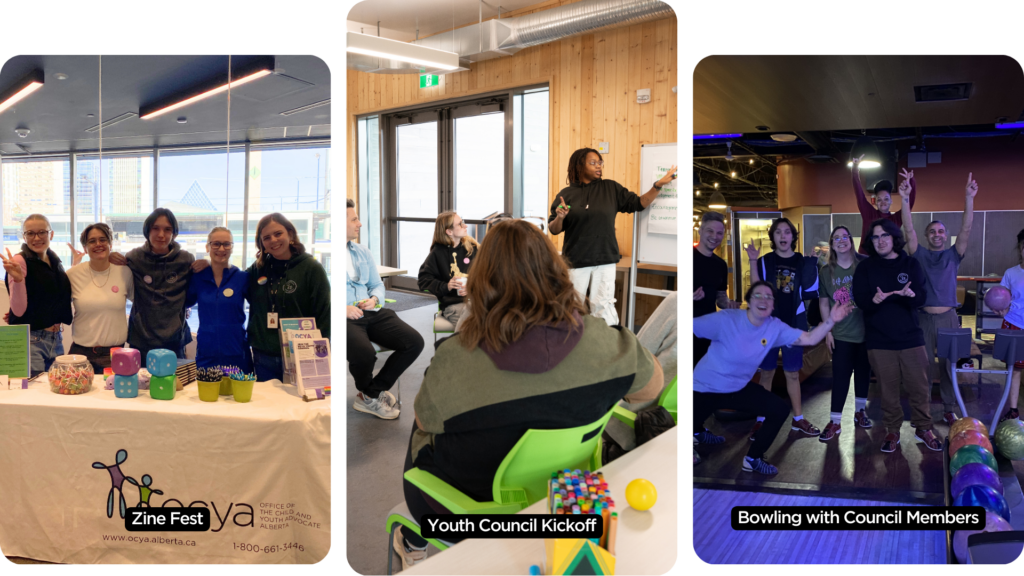
Big Voice Work: Consultations and Reporting
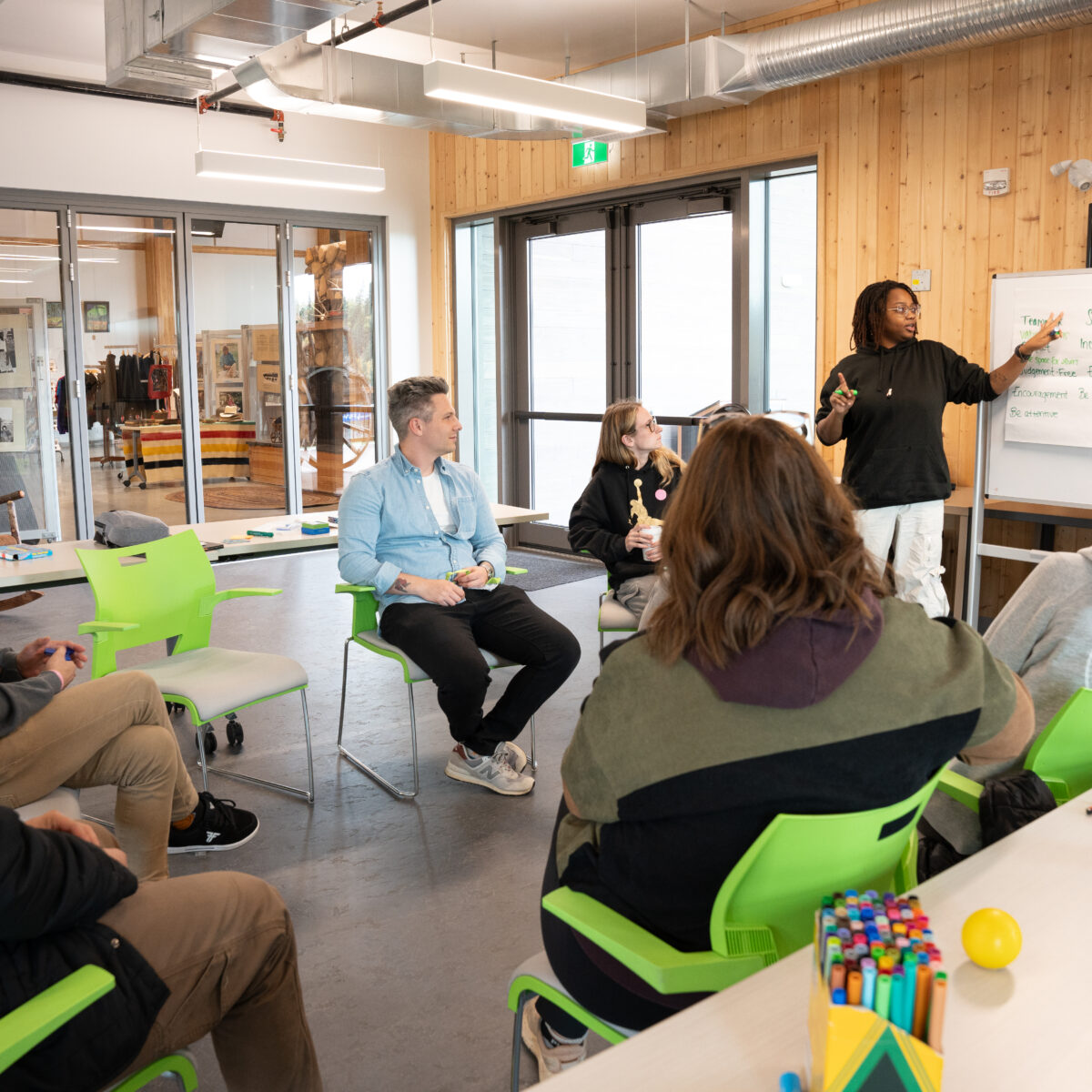
This is where lived experience helps shape real decisions, both behind the scenes and in public-facing initiatives. Council members share what youth are actually seeing and feeling, so the OCYA’s and other organizations’ work stays real, grounded and youth-focused. Examples of this include:
- Reviewing language, messaging, or materials to make them clearer and more youth‑friendly
- Providing input on reports, outreach tools, or engagement strategies
- Third-party consultations (outreach with partners, stakeholders, or outside groups)
Through consultations, reporting, and occasional media involvement, young people aren’t just “consulted,” we are respected as experts of our own experiences. This is where the council’s systemic influence is most visible.
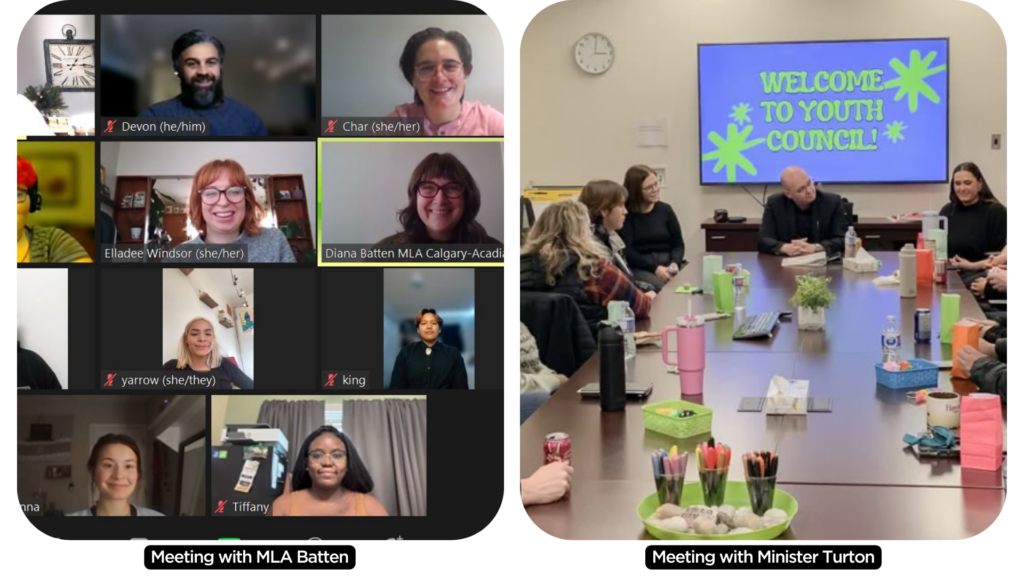
How We Gel: Relationship Building
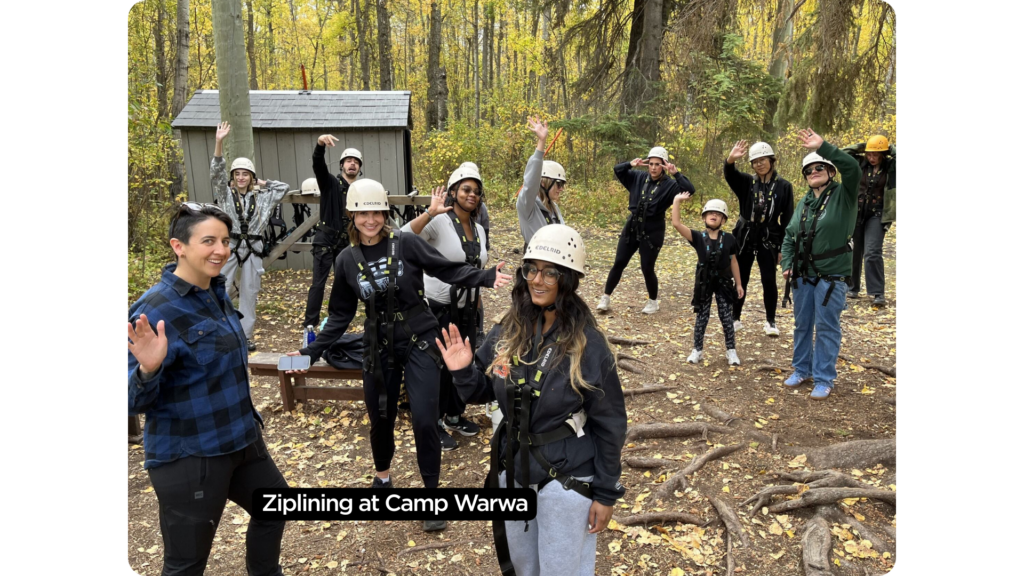
A strong council is one that works well together; relationship building is a core part of OCYA Youth Council meetings.
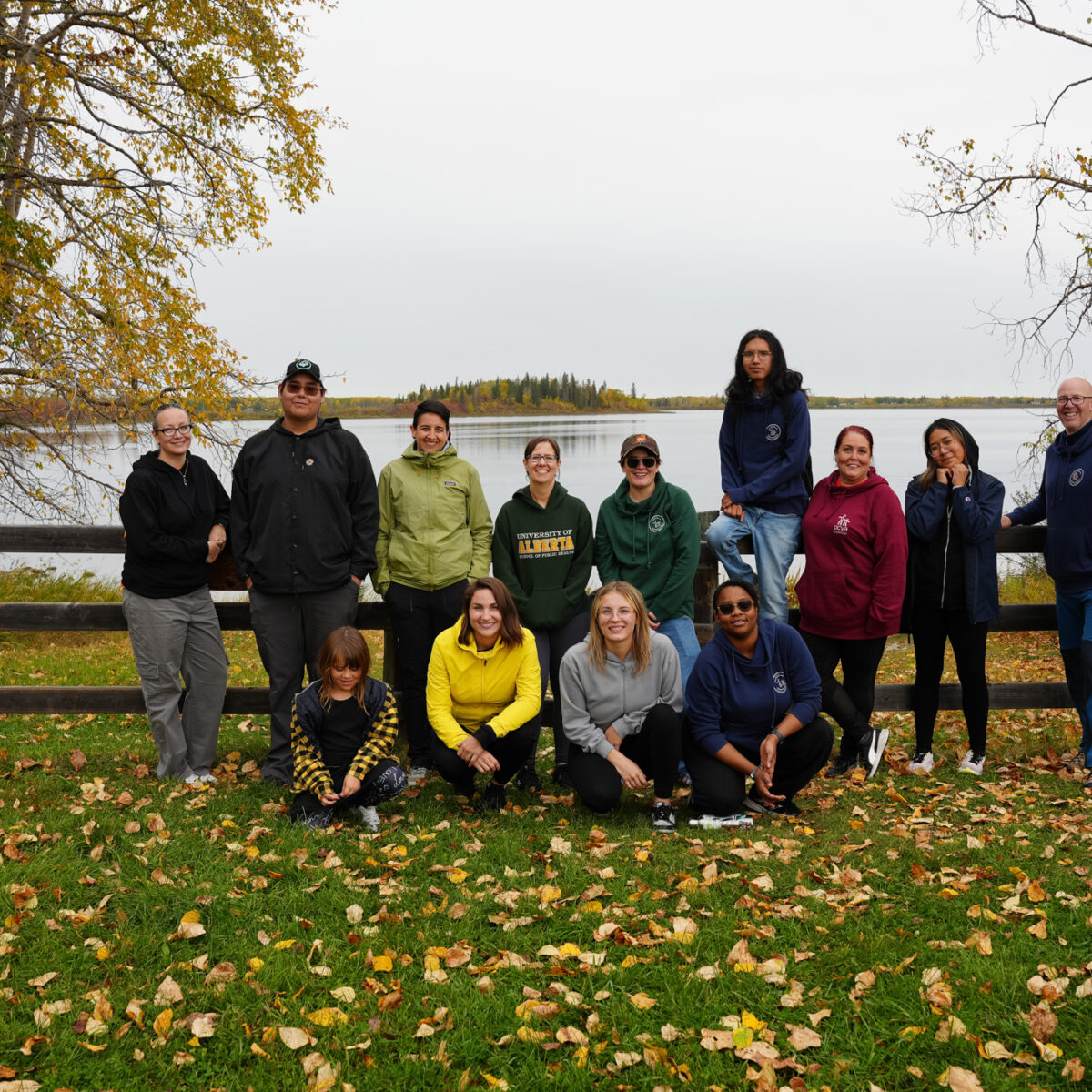
Through shared activities, check-ins, and just spending time together, members build trust and connection with one another.
When members get to know one another beyond titles or roles, collaboration strengthens and the work that comes out of it is better. These strong connections create the safety and trust needed for meaningful participation, honest dialogue, and confident feedback.
This can look like:
- Participating in group activities, workshops, icebreakers, reflective or creative sessions
- Sharing meals or informal hangout time
- Celebrating milestones, growth, and achievements together
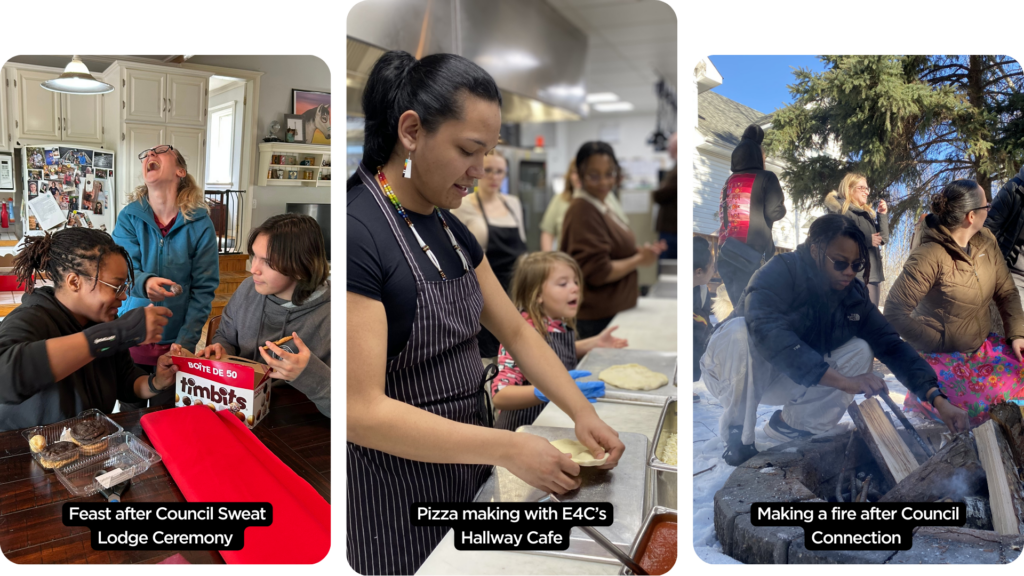
These moments create a space where youth feel comfortable speaking openly, trying new things, and showing up as their authentic selves.
Grounded and Learning: Indigenous Engagement
Indigenous engagement within the youth council is approached intentionally, with an emphasis on respectful participation and relationship‑based learning and guidance.
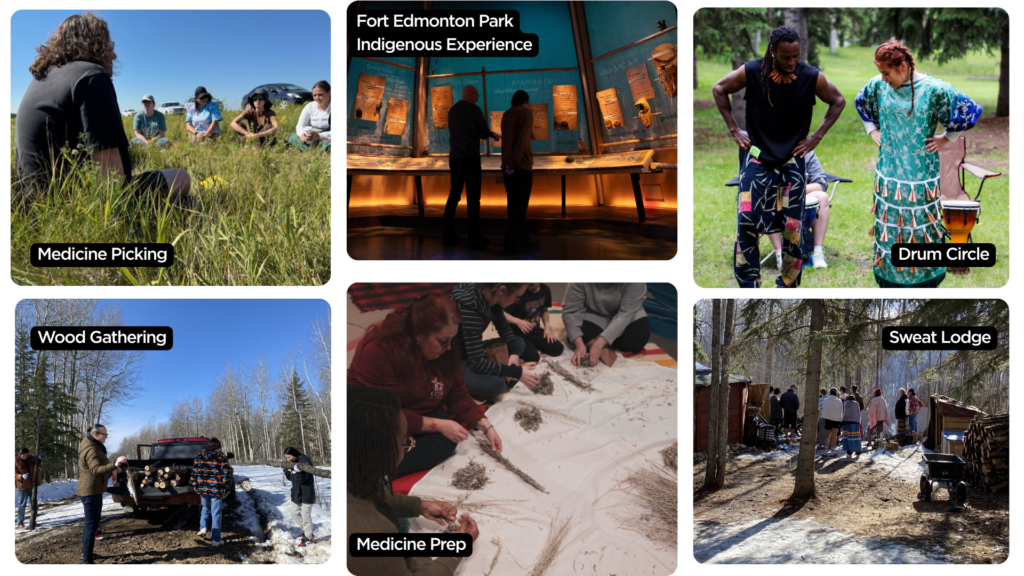
In partnership with the OCYA’s Knowledge Keeper, this work supports awareness of Indigenous perspectives and encourages thoughtful reflection on how youth engagement can honour culture and community and be more inclusive and respectful. This looks like:
- Indigenous teachings and ceremonies (such as Sweat Lodge resets, medicine picking, or learnings from Elders)
- Guided discussions that support understanding and reflection
- Building awareness in how youth council shows up in different spaces
- Making space for Indigenous perspectives within youth engagement
Seen & Heard: Events and Media Participation
Youth council members sometimes participate in events or media opportunities that help amplify youth voices in public spaces. These opportunities are approached thoughtfully and based on comfort, consent, and readiness. Examples include:
- Attending or supporting conferences and community events
- Speaking on panels or assisting with presentations
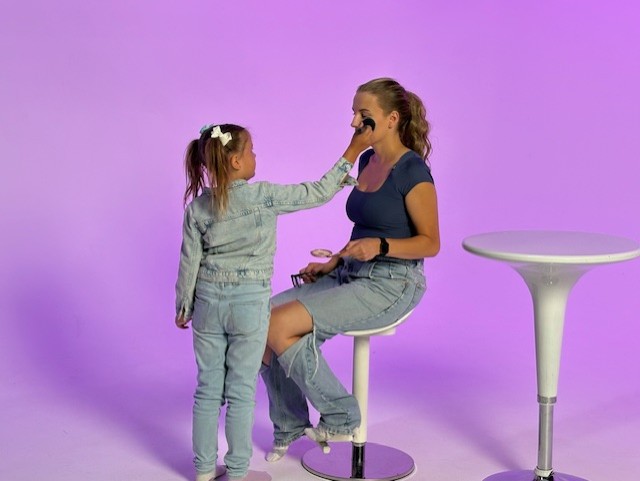
- Contributing youth perspective, messaging, or media consultation
- Representing youth voice in public-facing spaces
- Event participation (attending, presenting, emceeing, supporting sessions)
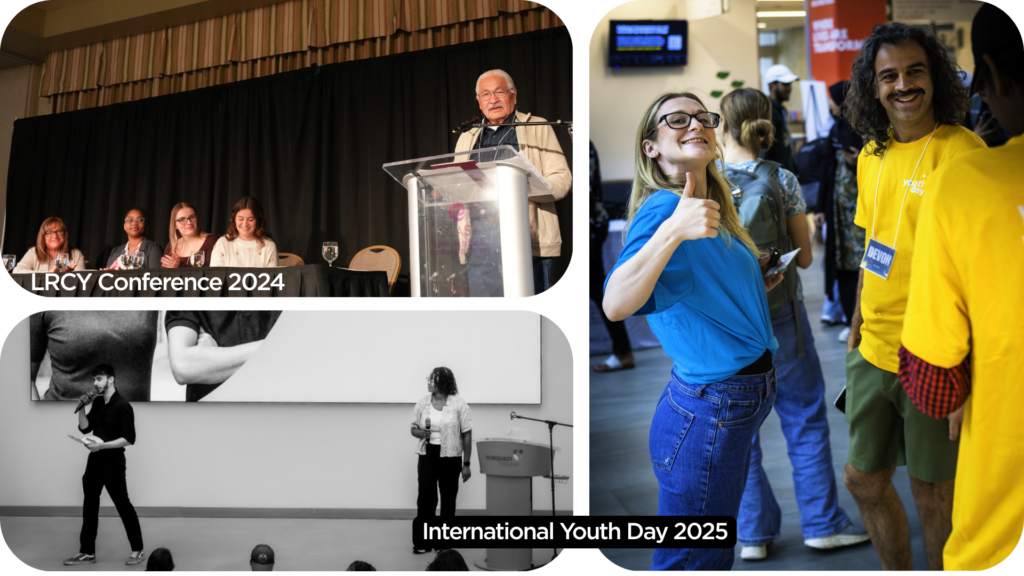
Public participation helps develop confidence, communication, and leadership while gaining real-world advocacy experience.
In closing
The big work that shapes advocacy, the shared moments that help the council work well together, the teachings that ground the council in culture and respect, and the public opportunities that amplify youth voice show how this council goes beyond meetings and into real, meaningful action.
– Autumn Sampson, Youth Engagement Intern at the Office of the Child and Youth Advocate
Big voice + Strong relationships +
Grounding in culture + Showing up in public = OCYA Youth Council